

(Sorry, Uncle Dave)
Every family has one. The DIY legend. The Sunday-afternoon sage. The person who “doesn’t need a plumber because they’ve watched a YouTube video.”
We’re looking at you, Uncle Dave!
At Leeva Plumbing & Heating, we spend a lot of time quietly undoing the “expert advice” that’s been passed down at BBQs, in pub chats and over Christmas dinners in homes across Ripley, Belper and Alfreton.
So let’s clear up a few general plumbing myths that keep doing the rounds and might be quietly costing you money.
1. Myth: “Bigger Pipes Always Mean Better Water Pressure”
It sounds logical, so Uncle Dave swears by it: “Just stick in bigger pipes and it’ll blast out like a fire hose.”
Not quite.
Reality:
Water pressure mostly comes from your supply (and in some systems, pumps), not just the size of the pipe. Oversized pipework can actually reduce flow in some setups, and poorly designed plumbing can create dead legs, air traps and noisy pipes.
If your shower feels more “gentle drizzle” than “refreshing wake-up”, the answer is rarely “swap every pipe in the house”. A proper assessment of your system is far more effective (and cheaper).
2. Myth: “New-Build Homes Don’t Have Plumbing Problems”
There’s a popular belief that new homes are plumbing perfect. “It’s all brand new, what can go wrong?”
Reality:
New doesn’t always mean flawless. We’ve been called to brand new properties in Derbyshire with:
- Poorly clipped pipework rattling in the walls
- Incorrectly fitted traps leading to smells
- Showers that were plumbed “backwards”
- Leaks from joints that weren’t properly tightened
New builds can be brilliant, but plumbing is only as good as the person who installed it. A quick check from a qualified plumber can save you discovering problems the hard way. Usually via a damp patch on the ceiling.
3. Myth: “Those Blue Toilet Blocks Keep Everything Clean, So I Don’t Need to Worry”
You know the ones. Drop a block in the cistern and suddenly your loo is a tropical blue lagoon. Uncle Dave will proudly tell you it “cleans all the pipework too”.
Reality:
Those blocks mainly colour and perfume the water. They don’t magically scrub limescale out of the cistern, clean the internal components, or disinfect the rest of your plumbing. In some cases, they can even:
- Break down and clog the cistern mechanism
- Mask problems like slow leaks or staining
- Encourage you to ignore deeper issues
They’re fine for a bit of freshening up, but they’re not a replacement for proper cleaning, maintenance or fixing issues.
4. Myth: “A Bit of Smell from the Sink is Normal – It’s Just ‘Old House’”
You’ve probably heard this one: “Of course it smells a bit – the house is 100 years old!”
Reality:
A persistent pong from sinks, showers or drains is usually not “just how it is”. It’s a sign something isn’t right. Common culprits include:
- Traps that aren’t holding water properly
- Gunk build-up in pipework
- Poorly vented systems
- Hidden leaks or damp under units
Bad smells are your plumbing’s way of waving a red flag. Ignoring them can mean you miss early signs of blockages, leaks or even mould developing behind cupboards or under floors.
5. Myth: “Chemical Drain Cleaners Are the Best Way to Clear Any Blockage”
Blocked sink? Uncle Dave reaches for the harshest bottle under the kitchen cupboard and tips half of it down the plughole. Sorted… right?
Reality:
Strong chemical drain cleaners can:
- Damage older or plastic pipework
- Sit on top of a solid blockage and do nothing
- Create a nasty mess for whoever has to work on the pipes next
- Be dangerous if mixed with other chemicals or if they splash back
They can help with very minor slow-draining issues, but if you’ve got a proper blockage, chemicals often just delay the inevitable, and sometimes make the job harder. Mechanical methods, like plungers, drain snakes, and professional jetting are usually far safer and more effective.
6. Myth: “Limescale Is Just Cosmetic. It Looks Bad But It’s Harmless”
We’re in Derbyshire. Limescale is practically a way of life. Kettles, taps, showerheads… they all get that crunchy white coat.
Uncle Dave might shrug and say, “It’s only a bit of white stuff, don’t worry about it.”
Reality:
Limescale isn’t just unsightly, it can:
- Narrow your pipes and reduce flow
- Clog aerators and showerheads
- Put extra strain on valves and cartridges
- Shorten the life of appliances connected to your plumbing
Managing limescale with regular cleaning, descaling and, in some cases, a water softening system can help your plumbing and appliances last longer and work more efficiently.
7. Myth: “If There’s a Water Stain But No Drip, It’s Old. Just Paint Over It”
You spot a brownish stain on the ceiling. Someone says, “Oh that’s from ages ago – we fixed it. Just paint it.”
Reality:
Old leaks can leave stains, but unless you’re absolutely sure the problem was resolved, it’s risky to assume it’s history. That stain might mean:
- A very slow, ongoing leak
- A joint that only leaks under certain conditions
- Intermittent issues (for example, when a shower is used)
Painting over it without checking could mean hidden damp, damaged plasterboard and even mould growing out of sight. A quick investigation from a plumber can confirm whether it’s truly old news or something still quietly causing damage.
8. Myth: “You Don’t Need to Know Where the Stop Tap Is. That’s for Plumbers”
Uncle Dave’s philosophy: “If something bursts, just call a plumber. They’ll sort it.”
Reality:
In a genuine plumbing emergency, like a burst pipe, knowing how to shut the water off quickly can be the difference between:
- A small puddle and a full ceiling collapse
- A quick dry-out and thousands in water damage
Everyone in the house should know:
- Where the internal stop tap is
- How to turn it off
- Where the external stop tap is (if accessible)
It’s one of the simplest, most important bits of “home plumbing knowledge” you can have, and it costs nothing.
9. Myth: “Outside Taps Don’t Need Any Special Attention in Winter. They’re Tough”
We hear this one a lot: “It’s fine, it’s a proper outdoor tap, it can cope.”
Reality:
Outdoor taps and exposed pipework are far more vulnerable to freezing temperatures. When water freezes, it expands, and if it’s trapped, it can split pipes and fittings. You often won’t realise there’s a problem until the thaw, when water starts pouring out.
Protecting outdoor taps can be as simple as:
- Fitting an insulated tap cover
- Making sure exposed pipes are lagged
- Turning off and draining external supplies where possible over winter
A cheap bit of insulation can save you an expensive emergency call-out on a frosty morning.
So… Is Uncle Dave Ever Right?
Sometimes, yes. There are plenty of handy homeowners in Ripley, Belper and Alfreton who can swap a washer, bleed a radiator or spot a simple issue.
The trouble starts when pub wisdom and half-remembered tips are treated as professional advice. Modern plumbing systems have a lot going on behind the scenes, and what looks like a quick fix can sometimes make things worse.
Need a Second Opinion (That Isn’t From the Family Group Chat)?
If you’re not sure whether a plumbing “tip” is genius or a disaster waiting to happen, we’re happy to help.
Leeva Plumbing & Heating provides:
- General plumbing repairs and upgrades
- Leak tracing and fixing
- Kitchen and utility room plumbing
- Emergency plumbing support
All across Ripley, Belper, Alfreton and the surrounding Derbyshire areas.
If something in your home doesn’t look, sound or smell quite right, or if Uncle Dave’s latest experiment hasn’t gone to plan, get in touch with the team at Leeva and we’ll get everything flowing as it should.
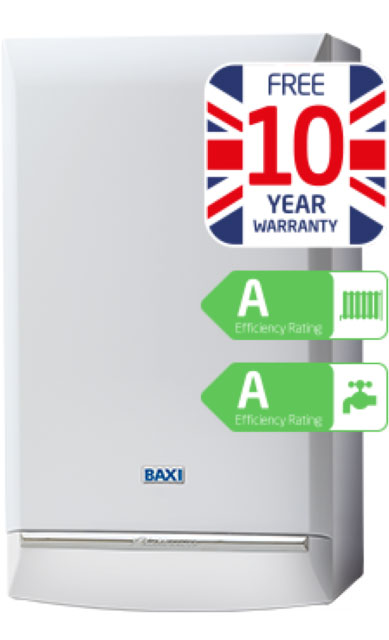 Fully Installed Baxi Boiler