
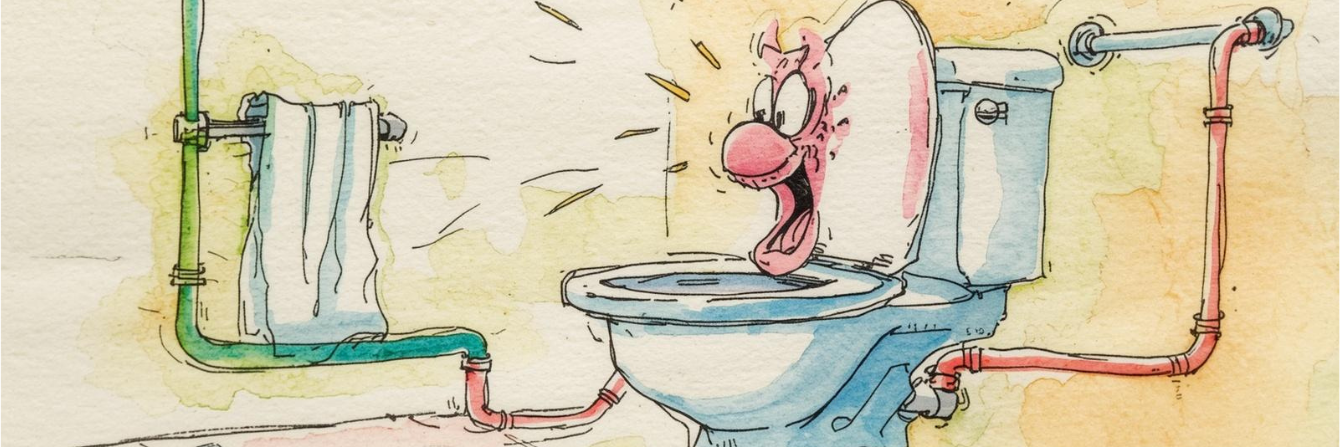
Most homeowners expect their plumbing to stay fairly quiet in the background. You turn on a tap, flush the toilet, run the shower or fill the kettle, and everything should simply work. So when your home starts making odd noises such as gurgling, banging, whistling, dripping or bubbling it’s usually a sign that something is not quite right.
The good news is that strange plumbing sounds often give you an early warning before a small issue turns into a bigger, more expensive repair. Knowing what those noises mean can help you act quickly, protect your home and avoid unexpected disruption.
If you have started hearing unusual sounds from your pipes, taps, toilet, boiler pipework or drains, here are seven of the most common plumbing noises and what they may be trying to tell you.
1. Gurgling Drains
A gurgling sound coming from a sink, bath, shower or toilet is one of the most common plumbing noises homeowners notice. It often sounds like air bubbling through water after you have emptied a basin or flushed the loo.
What it usually means
Gurgling often points to a blockage starting to form somewhere in the drainage system. Water is trying to move past a build-up of debris, grease, soap scum, hair or other waste, and air gets trapped along the way. That trapped air then escapes with the familiar gurgling noise.
In some cases, it can also suggest an issue with venting in the drainage system. Plumbing systems are designed to allow air to move properly through the pipes. If that airflow is interrupted, drains may become noisy and slower than usual.
What to look out for
- Slow draining sinks or baths
- Bad smells from plugholes
- Bubbling in the toilet when another appliance is used
- Water backing up unexpectedly
What to do
A minor build-up near a plughole may sometimes be resolved by clearing out visible debris. But if the gurgling continues, affects multiple drains or is getting worse, it is worth getting it checked by a professional. A qualified plumber in Ripley, plumber in Alfreton or plumber in Belper can identify whether the problem is a simple blockage or part of a wider drainage issue.
2. Banging Pipes
A loud banging or thudding sound in your pipework can be quite alarming, especially if it happens suddenly after turning a tap off or when appliances finish filling.
What it usually means
This is often caused by what is known as “water hammer”. It happens when flowing water is forced to stop or change direction suddenly, creating a shockwave through the pipes. If pipes are not properly secured, the movement can create a sharp knocking or banging noise.
What to look out for
- Banging after turning taps off quickly
- Noise when a washing machine or dishwasher fills
- Pipe movement in walls or under floors
- Repeated knocks during normal water use
What to do
Do not ignore banging pipes. Over time, the movement and pressure can put strain on joints, fittings and valves. In some homes, the fix may be as straightforward as securing loose pipework. In others, you may need a pressure adjustment or a water hammer arrestor installed. A professional plumber can inspect the system and prevent the issue from causing damage later on.
3. Whistling Taps or Pipes
If you hear a high-pitched whistle when turning on a tap, using the shower or running a toilet, it may not seem urgent at first — but it is usually your plumbing system asking for attention.
What it usually means
Whistling noises are often linked to water pressure problems, worn washers, faulty valves or partially blocked fittings. When water is forced through a narrowed opening, it can create that distinctive squealing or whistling sound.
Toilet fill valves are another common culprit. If the sound happens after flushing and stops once the cistern has refilled, the problem may be coming from inside the toilet rather than the tap itself.
What to look out for
- Noise only when a certain tap is used
- Whistling after flushing the toilet
- Reduced water flow
- Taps that have become harder to turn on or off
What to do
Sometimes the issue is isolated to one fitting, but in other cases it can point to wider pressure or wear-and-tear problems. Replacing worn parts early can help avoid leaks or complete fitting failure later on. If you are not sure where the sound is coming from, a local plumber can trace it properly.
4. Dripping Sounds Inside Walls or Ceilings
A dripping noise is never one to overlook, especially when you cannot immediately see where it is coming from.
What it usually means
A hidden leak may be developing behind a wall, under a floor or above a ceiling. Even a small leak can cause damage over time, affecting plaster, paint, insulation, timber and flooring. In some cases, the dripping sound may be more noticeable at night when the house is quiet.
It is worth noting that not every drip means a burst pipe. Sometimes it can be condensation or water moving from one area to another after heavy use. But it is always worth taking seriously.
What to look out for
- Damp patches or staining
- Peeling paint or wallpaper
- Musty smells
- A drop in water pressure
- Higher-than-usual water bills
What to do
If you can hear dripping but cannot find the source, it is best not to leave it. Hidden leaks can quietly cause expensive damage before they become visible. An experienced plumber can investigate and locate the issue before it gets worse.
5. Bubbling Toilet Sounds
Your toilet should flush and refill without fuss. If it starts bubbling, burping or making odd glugging noises, it is a sign something is off.
What it usually means
A bubbling toilet often suggests a developing blockage or poor airflow in the drainage system. If the toilet bubbles when you use the sink, shower or washing machine, that can indicate the drainage system is struggling to cope properly.
This is one of those symptoms that often starts off mildly and then gets progressively more disruptive.
What to look out for
- Water level rising and falling oddly in the bowl
- Slow flushing
- Toilet bubbling when another appliance drains
- Unpleasant odours nearby
What to do
A single slow flush might not be a crisis, but repeated bubbling should not be ignored. Toilets connected to blocked or poorly vented drains can eventually back up, which is the last thing any homeowner wants. Getting it seen early can save you a lot of hassle.
6. Glugging from the Sink
A glugging sound from the kitchen sink can be especially common after washing up or emptying pans of water.
What it usually means
This noise usually happens when water is draining unevenly because of a partial blockage. In kitchens, grease, food debris and soap residue are common causes. As water tries to pass through, air pockets form and release with that familiar glugging sound.
What to look out for
- Water draining slowly after washing up
- Bad smells from the sink
- Standing water around the plughole
- Repeated glugging after each use
What to do
Kitchen sink problems tend to get worse if left alone, especially if grease continues to build up in the waste pipe. Avoid pouring fats or oils down the drain and clear any visible debris from the plug area. If the sound keeps returning, a plumber can clear the blockage properly and check for any deeper pipework issues.
7. Hissing or Trickling Sounds When Nothing Is Running
If you can hear water moving when no taps, showers or appliances are in use, that is worth investigating.
What it usually means
A hissing or faint trickling sound can point to a leak, a faulty toilet fill valve, or water escaping somewhere it should not. Toilets are a common source of this issue, especially if water is constantly running from the cistern into the bowl without being obvious.
What to look out for
- A toilet that refills randomly
- A constant faint hiss near pipework
- Water meter movement when everything is off
- Damp spots or mould nearby
What to do
This kind of sound can be easy to ignore because it is often quiet, but it may be costing you money and causing waste. A quick inspection by a plumber can identify whether the problem is a simple valve replacement or something more serious.
When Should You Call a Plumber?
Not every strange sound means an emergency, but unusual plumbing noises should not be brushed off for weeks or months. Plumbing systems are very good at giving warning signs before a full breakdown happens.
It is time to call a professional if:
- The noise keeps happening
- More than one fixture is affected
- You notice slow drainage or poor water pressure
- There are bad smells, damp patches or leaks
- The sound is getting louder or more frequent
Catching the problem early can often mean a smaller repair, less disruption and lower costs overall.
Local Plumbing Help in Ripley, Belper and Alfreton
Whether it is a gurgling drain, a noisy toilet, banging pipes or a mystery drip you cannot trace, it is always better to get a professional opinion before the issue escalates. Strange plumbing sounds are your home’s way of telling you something needs attention.
At Leeva Plumbing & Heating, we help homeowners diagnose and resolve everyday plumbing problems before they turn into bigger headaches. So if you are looking for a trusted plumber in Ripley, plumber in Belper or plumber in Alfreton, our team is here to help.
From small repairs to fault finding and larger plumbing work, we can get to the root of the problem and help restore peace and quiet to your home.
Your plumbing should not sound like it is trying to start a conversation. Gurgles, glugs, whistles and bangs may seem minor at first, but they often point to issues that are best dealt with sooner rather than later.
The next time your sink glugs or your pipes start knocking, do not just turn the TV up louder. Listen carefully. Your home may be telling you it is time to call the plumber.
 Fully Installed Baxi Boiler