
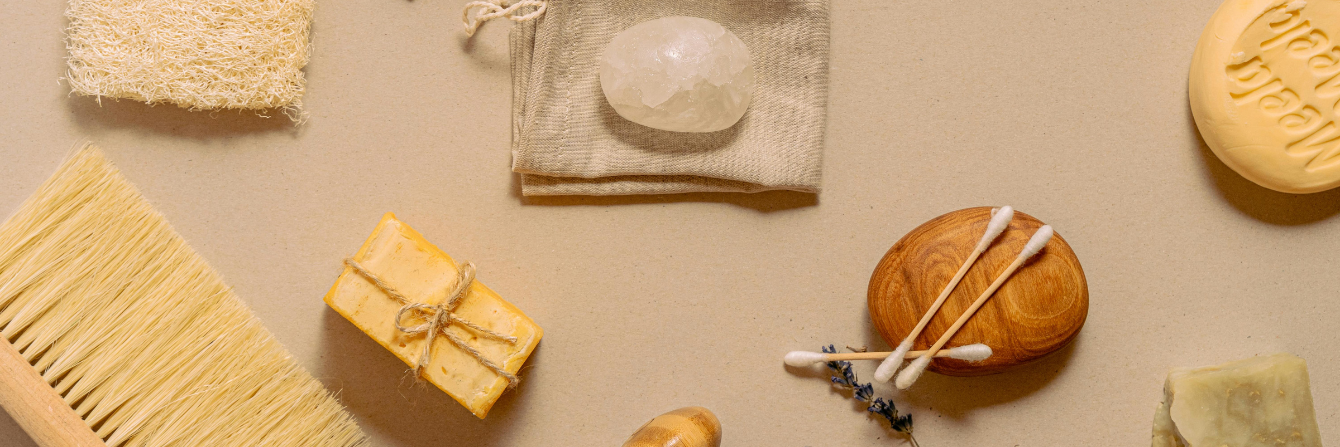
An eco-friendly bathroom used to conjure up images of beige tiles, hemp bath mats and a shower with all the power of a slightly enthusiastic watering can.
Thankfully, things have moved on.
Today, some of the most stylish bathrooms are also among the most efficient. Clever fittings, better heating controls and thoughtfully chosen materials can reduce water and energy consumption without turning your morning shower into an exercise in environmental self-denial.
If you’re looking for sustainable bathroom ideas or planning one of the growing number of eco bathrooms in Derbyshire, here are some of the changes worth considering.
Start With the Biggest One: Water
Bathrooms account for a significant proportion of the water we use at home, so this is one of the easiest places to make improvements.
According to Waterwise, showers, toilets and baths together account for around half of household water use. A typical low-flow shower head can use around 6 litres per minute, compared with approximately 10–15 litres for a standard shower.
But “low flow” doesn’t have to mean “low enjoyment”.
Modern aerated shower heads mix air into the water stream, helping to create the feeling of a generous shower while using less water.
For a new bathroom, consider:
- Water-efficient shower heads
- Flow regulators on taps
- Aerated basin taps
- Thermostatic shower controls
- Dual-flush toilets
A good bathroom designer can incorporate all of these without making them look remotely “eco”.
In fact, you probably wouldn’t know they were there.
Choose a Water-Efficient Toilet
The humble loo probably isn’t the first thing you think of when designing your dream bathroom, but it deserves a little attention.
Waterwise estimates that toilets account for around 25% of household water use. Modern dual-flush toilets typically use around 4–6 litres per flush, while some older toilets can use as much as 13 litres.
So, if you’re replacing an ageing bathroom suite anyway, choosing an efficient dual-flush model is a relatively easy win.
Just make sure everyone in the household knows which button is which. Research from the Water Regulations Approval Scheme found considerable confusion about dual-flush controls, with people sometimes accidentally selecting the larger flush when they didn’t need it.
Apparently even flushing the toilet can come with an instruction manual these days.
Don’t Ignore Leaks
Sometimes the most sustainable upgrade isn’t buying something new.
It’s fixing what you’ve already got.
A dripping tap might only look like a minor irritation, but small leaks continually waste treated water. A leaking toilet can be considerably worse: Waterwise says a leaky loo can waste up to 400 litres a day.
When renovating a bathroom, it therefore makes sense to have pipework, valves, toilet fittings and connections checked at the same time.
The most beautiful eco bathroom in Derbyshire isn’t particularly eco-friendly if several hundred litres of water are quietly disappearing down the toilet every day.
Think About the Materials You Use
Creating a sustainable bathroom isn’t simply about water.
The materials you choose matter too.
Rather than automatically selecting products based purely on appearance, think about where materials have come from, how long they’ll last and what will happen to them at the end of their life.
Options can include:
- Responsibly sourced timber for vanity units and storage
- Reclaimed or repurposed furniture converted into bathroom cabinetry
- Tiles containing recycled materials
- Recycled glass surfaces
- Natural stone used selectively rather than excessively
- Durable ceramic and porcelain products designed to last for decades
- Low-VOC paints and finishes
Longevity is particularly important.
Replacing a fashionable bathroom every few years isn’t especially sustainable, regardless of how many bamboo accessories you’ve added to it.
Choosing a timeless bathroom design made from durable materials can often be the greener option in the long run.
Consider What You Can Keep
When planning a bathroom renovation, there can be a temptation to rip absolutely everything out.
Sometimes that is necessary.
Sometimes it isn’t.
If an existing bath is in excellent condition, for example, could it be retained while the rest of the room is redesigned around it?
Could a solid timber vanity unit be refinished rather than replaced?
Could existing storage be repainted and fitted with new handles?
Reusing good-quality items reduces waste while also freeing up more of your budget for the elements that genuinely need upgrading.
And mixing old and new can create a bathroom with far more character than one that looks as though it has been lifted wholesale from page 37 of a catalogue.
Make Your Heating Smarter
An eco bathroom still needs to be warm. Particularly in Derbyshire in January, when stepping out of the shower onto an icy floor is nobody’s idea of sustainable living.
The trick is to heat the room efficiently.
Depending on the property and the wider heating system, options could include:
- Efficient modern radiators
- Thermostatically controlled towel rails
- Zoned underfloor heating
- Programmable heating controls
- Smart thermostats
- Properly insulated pipework
Underfloor heating can be particularly attractive in a bathroom because it distributes heat across the room and removes the need for a large radiator, leaving more wall space for furniture or storage.
However, the system needs to be properly designed for the room and the home’s heating setup. Bigger isn’t automatically better.
Good heating design is about providing the amount of heat the room actually needs.
Use Less Hot Water
Reducing water use has another benefit: if you’re using less hot water, you’re also using less energy to heat it.
The Energy Saving Trust says replacing a shower head with a water-efficient model could save a typical household around 9,000 litres of water a year, as well as reducing energy costs. It also estimates that keeping showers to four minutes could save around 17,000 litres annually.
We’re not suggesting you stand in the bathroom with a stopwatch shouting at family members.
Although after certain teenagers have occupied the bathroom for 45 minutes, it may become tempting.
The point is that an efficient shower can deliver savings every single day without requiring much thought from the person using it.
Choose an Efficient Hot Water System
If you’re carrying out a larger bathroom renovation, it may also be worth thinking beyond the bathroom itself.
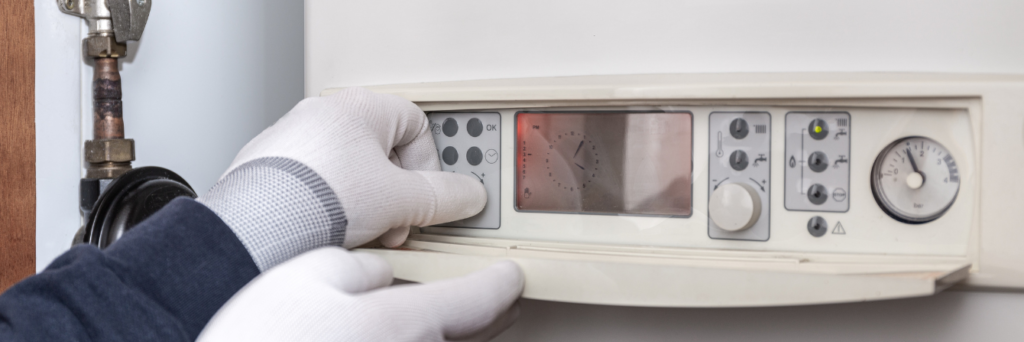
Your boiler or hot water system determines how efficiently all that lovely hot shower water is produced in the first place.
An old or inefficient boiler could undermine some of the savings created elsewhere.
Depending on your property, options worth discussing with a qualified heating engineer might include a more efficient boiler, improved heating controls, better cylinder insulation or renewable technologies.
The Energy Saving Trust estimates that hot water accounts for around 11% of the average household energy bill, so it shouldn’t be overlooked when considering a more sustainable home.
Let There Be LED
Bathroom lighting is another straightforward upgrade.
LED lights use significantly less electricity than older lighting technologies and are available in an enormous range of designs.
You can create:
- Recessed ceiling lighting
- Illuminated mirrors
- Feature lighting beneath vanity units
- Wall lights
- Shower niche lighting
- Soft ambient lighting for evening baths
Using separate lighting zones is particularly useful.
You don’t necessarily need every light blazing when you’re brushing your teeth at 11pm.
A well-designed lighting scheme can therefore improve both the appearance and the efficiency of the room.
Don’t Forget Ventilation
Ventilation might not be the most glamorous part of a bathroom renovation, but it plays an important role in making the room last.
Moisture that isn’t removed effectively can contribute to condensation, mould, peeling finishes and damaged furniture.
A modern extractor fan, particularly one controlled by a humidity sensor, can operate when it is actually needed and help maintain a healthier bathroom environment.
Reducing excess moisture can also help protect the materials you’ve invested in.
Because the most sustainable bathroom cabinet is generally the one you don’t need to replace because it has swollen to twice its original size.
Go Timeless Rather Than Trendy
One of our favourite sustainable bathroom ideas doesn’t involve buying anything particularly clever.
Design a bathroom you won’t hate in five years.
Trends move quickly. Today’s must-have finish can become tomorrow’s “What on earth were we thinking?”
Consider using timeless colours and materials for the expensive, difficult-to-change elements such as tiles, sanitaryware and fitted furniture. You can then introduce stronger colours and trends through things that are much easier to update:
- Towels
- Mirrors
- Plants
- Artwork
- Accessories
- Handles
- Shelving
Your bathroom can still have plenty of personality without requiring another major renovation every time interiors fashion changes direction.
Sustainable Doesn’t Have to Mean Minimal
There is sometimes an assumption that an eco-friendly bathroom has to be stripped back and ultra-minimalist.
It doesn’t.
A traditional bathroom can be sustainable.
A luxurious hotel-inspired bathroom can be sustainable.
A colourful maximalist bathroom can be sustainable.
Even a bathroom containing a big freestanding tub can incorporate more efficient taps, heating, lighting and materials elsewhere.
Sustainability isn’t necessarily about creating the bathroom that uses the absolute minimum possible resources at all times. It’s about making sensible choices that reduce unnecessary consumption while still creating a room you’ll genuinely enjoy using.
Small Details Add Up
You can take the idea further once the bathroom is complete.
Consider refillable soap dispensers rather than repeatedly buying new plastic bottles. Choose durable accessories rather than disposable alternatives. Repair dripping taps quickly. Don’t leave water running while brushing your teeth.
Individually, none of these things will save the planet.
Collectively, they help.
And perhaps that’s the best approach to creating an environmentally conscious bathroom: don’t become obsessed with finding one miraculous “green” product.
Instead, make lots of better decisions.
Planning Eco Bathrooms in Derbyshire
The best eco bathrooms in Derbyshire combine three things: efficiency, practicality and good design.
Water-efficient fittings can reduce unnecessary consumption. Better heating and hot water systems can reduce energy use. Sustainable and durable materials can reduce waste. Good ventilation can help the bathroom last longer.
And none of it requires compromising on style.
If anything, planning these details carefully often results in a better bathroom. One that’s comfortable, attractive, cheaper to run and designed to stay looking good for years.
If you’re planning a new bathroom in Ripley, Belper, Alfreton or the surrounding Derbyshire area, Leeva Plumbing & Heating can help with everything from plumbing and bathroom installation to heating and hot water.
Because being a little greener doesn’t mean you have to give up the rainfall shower.
You just need to choose a cleverer one.
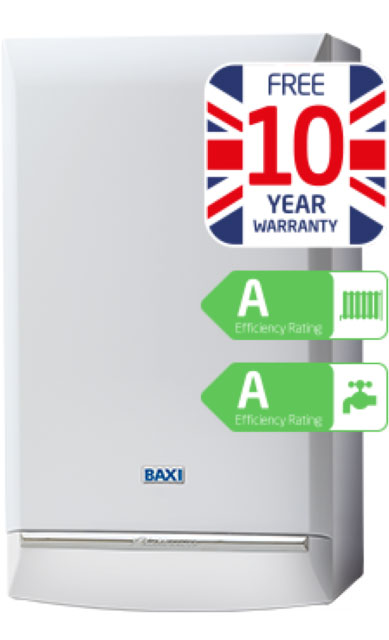 Fully Installed Baxi Boiler