
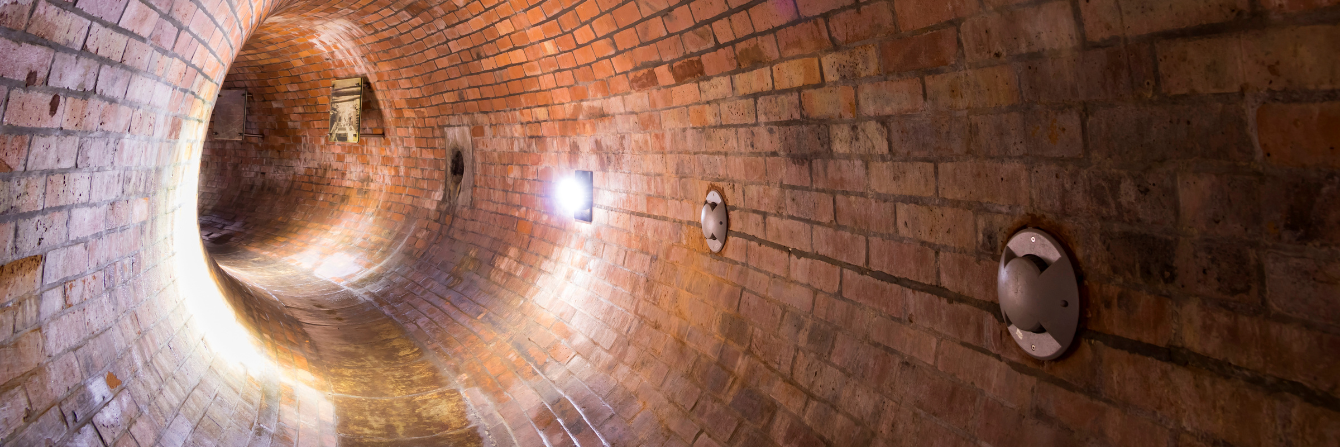
Plumbing is the ultimate background hero.
When it’s working, you never think about it. When it’s not… suddenly you’re a Victorian novelist, dramatically wandering the house whispering: “Why is the bathroom making that noise?”
But here’s the wild bit: plumbing didn’t just upgrade your bathroom. It helped build modern cities, massively improved public health, and even changed what we expect from “normal” life (like warm water that arrives on demand instead of a kettle marathon).
So let’s celebrate the glorious, slightly disgusting story of pipes, poop, and progress.
1) The “sanitation revolution” saved lives (and it’s still saving them)
It’s easy to laugh about toilets. It’s harder to argue with what happens when people don’t have them.
The World Health Organization estimates 1.4 million people die each year due to inadequate drinking water, sanitation and hygiene, and unsafe sanitation accounts for 564,000 of those deaths (mostly from diarrhoeal disease).
And when sanitation improves, disease rates drop fast. WHO’s Europe office notes that WASH interventions can reduce diarrhoeal diseases by 25–35%.
So yes, plumbing is comfort… but it’s also civilisation-level life support.
2) The indoor toilet is weirdly recent in the UK
If you think indoor bathrooms are “how it’s always been”… nope.
- In 1961, the census asked whether homes had an inside (or attached) toilet. Nearly 7% of households in England and Wales did not.
- Around that same era, the 1967 House Conditions Survey found 25% of homes in England and Wales still lacked the full set of basics we now assume are standard: a bath/shower, indoor WC, sink, and hot/cold water taps.
- By 1991, that dropped to around 1% lacking one or more of those essentials.
Translation: your bathroom isn’t “old-fashioned”. It’s basically a modern luxury that became normal within living memory.
3) Cities only got big when waste stopped living next door
A dense city without proper drainage is basically a disease buffet.
London’s 19th-century cholera crises helped prove that contaminated water (not “bad air”) was the real culprit, and drove huge engineering changes to move sewage away from where people drank.
And here’s a particularly nerdy-but-brilliant fact: when parts of London shifted from intermittent water supply to a constant supply, researchers found measurable health benefits. A study estimates that a 1 percentage point increase in access to constant service reduced deaths from waterborne diseases by as much as 0.4%, and it explains about a fifth of the late-19th-century decline in waterborne disease mortality.
In other words: boring-sounding infrastructure changes can quietly save huge numbers of lives.
4) Your bathroom is the product of hundreds of tiny inventions
We love the big “first flush toilet” story, but the real progress was a long chain of upgrades that turned bathrooms from leaky experiments into the smooth, sealed, reliable spaces we expect today.
A few game-changing milestones:
- 1592: Sir John Harington designed an early “water closet” for Queen Elizabeth I’s era (and no, Thomas Crapper didn’t invent the flush toilet).
- 1885: Thomas Twyford helped revolutionise the WC by creating a one-piece, all-china design, making toilets easier to clean and more hygienic than multi-part designs.
- 1911: The thermostatic mixing valve arrives (basically: the beginning of showers that don’t randomly try to boil you). It’s credited to Frederick C. Leonard after he was scalded by hot water.
So the next time your shower stays at a steady temperature, take a moment to thank plumbing history… and then get on with your life like a modern legend.
5) Pipes evolved like Pokémon: wood → iron → plastic → flexible future stuff
Old plumbing wasn’t just “older versions of today.” It was often made from completely different materials, some of which now sound like DIY dares.
Here are some pipe facts that prove progress is basically trial-and-error with better tools:
- Cast iron replaced wooden water pipes in parts of the UK surprisingly early, for example, the Lambeth Waterworks company is noted for replacing wooden pipes with cast iron in 1802.
- Some of the oldest cast iron water pipes still referenced historically date back to the 17th century (including installations connected to Versailles).
- Plastic pipes have been around longer than many people think: PVC-U pipes were used for sanitary drainage in the 1930s, with broader development over the decades.
- PEX (that flexible pipe plumbers love for certain installs) traces back to 1968, credited to German scientist Thomas Engel, and it became widespread later as standards and adoption grew.
So yes, your home’s pipework might be copper, plastic, iron, or a mix… and each material is basically a chapter in “How we stopped pipes from ruining everyone’s day.”
6) Plumbing didn’t just change health, it changed time
Here’s an underrated impact: indoor plumbing gave people hours back.
Before reliable running water, washing clothes, bathing, cleaning, and cooking involved hauling water, heating it, and managing waste manually. Once hot and cold taps became standard, home life got faster, cleaner, and far less physically demanding.
That’s not just comfort. It changes how households function, how communities develop, and how people spend their days.
7) Bathrooms became a status symbol (and apparently, a house-price weapon)
Bathrooms aren’t just practical anymore, they’re part of how we judge homes.
A recent UK piece notes research (via Savills) suggesting homes with two bathrooms can command up to 20% higher prices per square foot than those with one.
We’ve gone from “one bath for the street” (in some places) to “en suite mania” in a few generations!
8) What this means for your bathroom in 2026
Plumbing progress isn’t finished. Modern bathrooms are increasingly about:
- Efficiency: better flow, lower waste, smarter layouts
- Safety: temperature control, secure fittings, reliable pressure
- Comfort: consistent hot water, better showers, quieter systems
- Longevity: materials and installs designed to last (and not surprise you at 2am)
And the reality is: small issues (slow drains, unreliable hot water, mystery leaks) often hint at bigger problems that are easier, and cheaper, to fix early.
Need a local plumber? Leeva Plumbing & Heating can help
Whether it’s a bathroom upgrade, a leak you can’t ignore any longer, or pipework that’s clearly having a midlife crisis, getting the right help matters.
If you’re looking for a plumber in Ripley, a plumber in Belper, a plumber in Alfreton, or a trusted plumber in Derbyshire, Leeva Plumbing & Heating is local, friendly, and properly experienced. The kind of team that fixes the problem and explains what actually happened without making you feel daft.
Because plumbing has come a long way… but it still occasionally needs a professional with the right tools and a healthy respect for what’s hiding in your pipes.
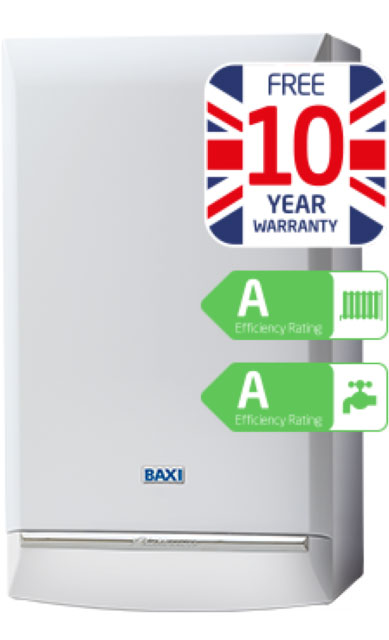 Fully Installed Baxi Boiler