
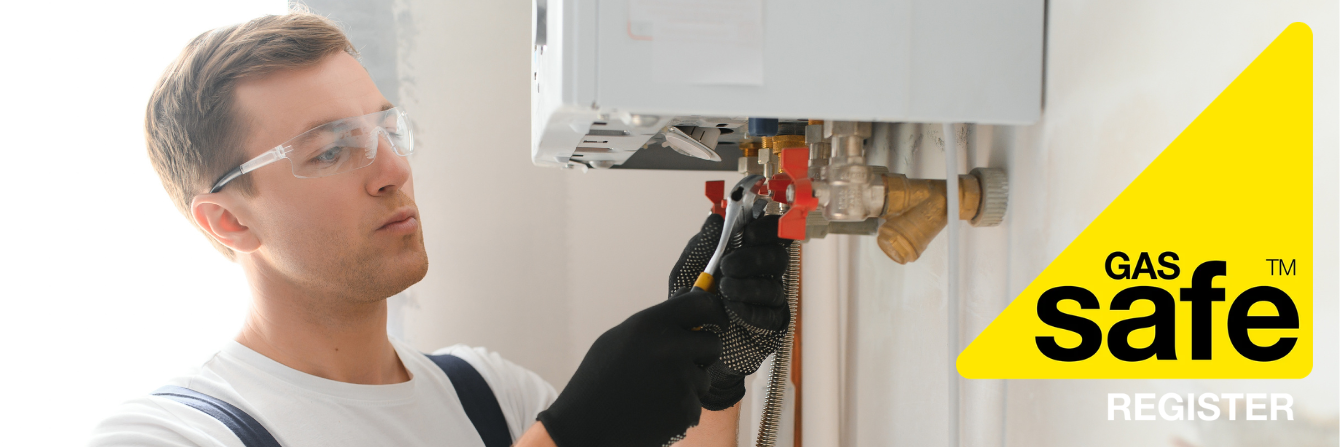
When you invite someone into your home to service your boiler, repair a gas appliance or install a new heating system, you’re putting a lot of trust in them. After all, most of us wouldn’t know a gas valve from a garden tap, and that’s perfectly understandable!
You’ve probably seen the familiar yellow Gas Safe logo on vans, websites and engineers’ uniforms. But have you ever stopped to wonder what it actually means?
Is it simply a badge that says someone knows their way around a boiler? Is it a qualification? Or is there rather more to it?
At Leeva Plumbing & Heating, we believe homeowners should understand exactly who they’re letting work on their gas appliances, and why choosing a properly qualified professional matters.
Because when it comes to gas safety, there’s a world of difference between a boiler that appears to be working and one that’s genuinely safe.
What Exactly Is the Gas Safe Register?
The Gas Safe Register is the official register of gas engineers legally permitted to carry out gas work in the United Kingdom.
It replaced CORGI registration in Great Britain in 2009 and exists to help protect the public from unsafe gas work.
In simple terms, anyone carrying out gas work as part of their business must be registered with Gas Safe and hold the appropriate qualifications for the specific work they’re undertaking.
And there’s an important distinction here.
Being Gas Safe registered doesn’t automatically mean an engineer is qualified to work on every type of gas appliance.
An engineer who is qualified to service a domestic gas boiler, for example, isn’t necessarily qualified to work on commercial catering equipment or industrial gas systems.
Each category of work requires specific competence.
So, whether you’re arranging boiler servicing in Ripley, having a new boiler installed in Alfreton or getting your heating repaired in Belper, it’s worth checking that your engineer is registered and qualified for the job.
What’s Involved in Becoming Gas Safe Registered?
It’s not simply a case of attending a weekend course, answering a few questions and receiving a shiny badge.
Becoming a competent gas engineer requires technical knowledge, practical experience and formal assessment.
1. Building the Technical Knowledge
Gas engineers need a thorough understanding of how gas appliances and heating systems operate.
This includes subjects such as:
- Gas combustion and how appliances burn fuel safely.
- Gas pressures, pipework and supply requirements.
- Ventilation and the importance of adequate airflow.
- Flue systems and the safe removal of combustion products.
- Electrical controls and boiler safety devices.
- Identifying gas leaks, faults and dangerous installations.
- Relevant legislation, regulations and technical standards.
There’s a surprising amount of science involved in keeping your radiators warm!
2. Gaining Practical Experience
Reading about a boiler is one thing. Working safely on a real installation is quite another.
Engineers entering the industry typically follow a recognised training pathway involving supervised practical experience and evidence of their competence.
They learn how to inspect installations, use specialist testing equipment, diagnose faults and follow safe working procedures.
This practical element is particularly important because no two properties are exactly alike.
A modern combi boiler in a newly built home presents different challenges from an ageing heating system tucked away in the cupboard of a Victorian terrace.
3. Passing Competence Assessments
Engineers must demonstrate their competence through recognised assessments covering the categories of gas work they intend to undertake.
For many domestic engineers, this involves the Accredited Certification Scheme (ACS).
Assessments test both theoretical knowledge and practical ability, including the safe use of equipment and the correct procedures for working on gas systems.
Gas competence certificates normally require renewal every five years, and engineers must maintain the appropriate qualifications and registration to continue carrying out gas work legally.
4. Keeping Up with Changes
Gas engineering doesn’t stand still.
Modern boilers feature increasingly sophisticated controls, efficiency technologies and safety systems. Regulations and technical guidance also change.
Professional engineers therefore need to keep their knowledge current, follow manufacturers’ instructions and remain competent in the equipment they work on.
The Gas Safe badge isn’t a one-off achievement. It represents an ongoing responsibility to work safely and competently.
The Hidden Dangers of Poor Gas Work
Here’s where things get serious.
A poorly installed or inadequately maintained gas appliance isn’t just an inconvenience. In certain circumstances, it can pose a genuine risk to people and property.
And some of the most dangerous problems aren’t necessarily the most obvious.
Carbon Monoxide: The Danger You Can’t See
Carbon monoxide (CO) is a poisonous gas that can be produced when carbon-based fuels, including natural gas, don’t burn properly.
It’s particularly dangerous because you can’t see, smell or taste it.
Symptoms of carbon monoxide poisoning can include headaches, dizziness, nausea, weakness and confusion. More serious exposure can be fatal.
Problems with combustion, ventilation or flues can increase the risk of carbon monoxide entering a property.
That’s why professional gas safety checks go far beyond simply confirming that a boiler switches on.
For further information, the NHS explains the symptoms and dangers here: https://www.nhs.uk/conditions/carbon-monoxide-poisoning/
Gas Leaks and Unsafe Connections
Poorly made connections, damaged components and incorrect installation practices can create gas leaks.
Even a small leak needs to be taken seriously because escaping gas can create a fire or explosion risk.
A qualified engineer uses appropriate testing procedures and equipment to check gas installations for soundness and identify problems.
This isn’t something to investigate with a DIY toolkit and a YouTube tutorial.
Blocked or Incorrectly Installed Flues
A boiler’s flue safely carries combustion products away from the property.
If it’s incorrectly installed, damaged, obstructed or inadequately supported, those products may not be discharged safely.
An appliance can appear to operate normally while still having a potentially dangerous flue problem.
This is one of the reasons proper installation, inspection and servicing are so important.
The Sort of Problems That Can Hide Behind an Apparently Working Boiler
You might be surprised at how many heating problems can go unnoticed until an engineer takes a closer look.
The following are realistic examples of the types of unsafe conditions that qualified gas engineers may uncover.
The Boiler That Wasn’t Properly Serviced
Imagine a homeowner who has paid for annual servicing for several years.
The boiler has been wiped down, the pressure checked and the heating switched on. Everything seems fine.
But essential checks specified by the manufacturer haven’t been completed.
Potential combustion problems, deteriorating components or unsafe conditions could therefore remain undetected.
A proper service isn’t a quick polish and a reassuring thumbs-up.
The Flue Hidden Behind a Kitchen Cupboard
A homeowner has had a lovely new kitchen fitted, complete with clever storage and beautifully concealed pipework.
Unfortunately, alterations have left sections of the boiler flue inaccessible for necessary inspection.
The kitchen might look fantastic, but the engineer may be unable to verify the safety of the concealed flue.
Depending on the installation, suitable inspection access or another compliant solution may be needed.
It’s a reminder that good design must always work alongside safety requirements.
The DIY Gas Appliance Connection
Someone decides to save a few pounds by connecting a gas appliance themselves.
After all, how difficult can it be?
Quite difficult, as it happens, when you consider the need for correct connections, testing, ventilation and compliance with safety requirements.
An installation that appears to work isn’t necessarily a safe one.
Gas work isn’t the place for improvisation.
The Boiler with a Ventilation Problem
A homeowner decides to block an air vent because it lets in a draught.
It seems harmless enough, especially during a Derbyshire winter.
However, some gas appliances rely on permanent ventilation to operate safely.
Blocking the required airflow can interfere with combustion and create a dangerous situation.
Not every boiler needs a room ventilation opening, but where one is required, it must not be obstructed.
The common theme? Many gas safety problems are hidden from view. That’s why professional inspection and correct servicing matter.
Why Boiler Servicing Is About More Than Comfort
Most people think of boiler servicing as a way to avoid waking up to a freezing house in January.
And, admittedly, that’s a pretty good reason.
Nobody wants to discover their boiler has packed up just as the temperature drops below zero.
But regular servicing serves a much more important purpose: helping to identify safety issues before they become serious.
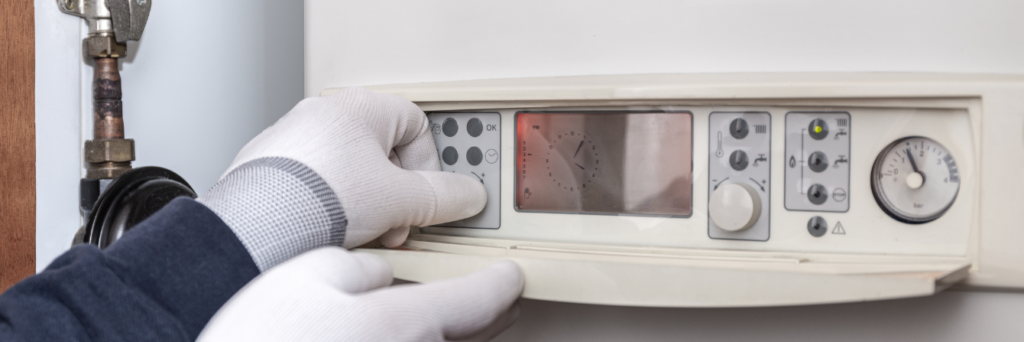
During a proper boiler service, a Gas Safe registered engineer will carry out checks appropriate to the appliance and its manufacturer’s instructions.
These may include examining the appliance’s condition, checking safety controls, assessing combustion performance, inspecting the flue and checking for signs of deterioration or leakage.
Servicing can also help identify developing faults that might otherwise result in breakdowns or inefficient operation.
Is Annual Boiler Servicing a Legal Requirement?
This is where it’s important to distinguish between homeowners and landlords.
For homeowners: There is generally no legal requirement to have your own domestic gas boiler serviced every year. However, annual servicing is strongly recommended, and manufacturers may require it to maintain warranty cover.
For landlords: The legal responsibilities are more extensive.
Under the Gas Safety (Installation and Use) Regulations 1998, landlords must ensure that relevant gas appliances and flues they provide are maintained safely and receive the required annual gas safety checks.
They must also provide tenants with the appropriate gas safety records.
Importantly, a landlord’s annual gas safety check and a full boiler service are not necessarily the same thing. A safety check does not automatically fulfil every maintenance requirement.
The Health and Safety Executive explains these responsibilities in detail: https://www.hse.gov.uk/gas/domestic/faqlandlord.htm
The important point is that gas safety isn’t simply about maintaining comfort or keeping heating bills down. It’s also about meeting legal obligations and protecting the people who use the property.
How Can You Check Whether an Engineer Is Really Gas Safe Registered?
Thankfully, you don’t need to take someone’s word for it.
Every registered gas engineer should carry a Gas Safe Register ID card, which you can ask to see before work begins.
Here’s what to check:
- The photograph: Does it match the person standing at your door?
- The expiry date: Is the card still valid?
- The registration details: Does the engineer have a valid Gas Safe registration?
- The qualifications: Turn the card over and check which categories of gas work the engineer is qualified to undertake.
You can also independently verify an engineer or business using the official Gas Safe Register website.
It only takes a moment, and a reputable engineer should have absolutely no objection to you checking.
After all, you wouldn’t let someone drive your car simply because they claimed to have a licence. Your gas appliances deserve at least the same level of care.
What Should You Do If You Suspect Unsafe Gas Work?
If something doesn’t seem right with your gas appliances, don’t ignore it.
Warning signs can include unusual smells, repeated boiler shutdowns, visible damage or unexplained changes in appliance performance.
However, some dangerous faults produce no obvious warning signs at all.
If you suspect an appliance is unsafe, stop using it and arrange for it to be checked by a suitably qualified Gas Safe registered engineer.
If you smell gas or suspect a gas leak:
- Avoid using electrical switches, naked flames or anything that could create a spark.
- Open doors and windows where safe to do so.
- Turn off the gas supply at the meter if you can do so safely.
- Leave the property and call the National Gas Emergency Service on 0800 111 999 from a safe location.
If a carbon monoxide alarm sounds or you suspect carbon monoxide exposure, get everyone into fresh air immediately, seek appropriate medical advice and do not re-enter until the property has been declared safe.
Why Choosing the Right Engineer Matters
When you book a plumber or heating engineer, it’s tempting to focus on availability and price.
And of course, both matter.
But there’s something much more valuable than saving a few pounds on a boiler service: knowing that the work has been carried out competently and safely.
Choosing an appropriately qualified, Gas Safe registered engineer means choosing someone who has demonstrated the necessary technical competence, understands the relevant safety requirements and is accountable for the gas work they undertake.
It also means having someone who knows when an appliance is unsafe, when repairs are needed and when a boiler should no longer be used.
At Leeva Plumbing & Heating, we believe in doing things properly, explaining what needs doing and helping customers make informed decisions about their heating systems.
Whether it’s routine maintenance, diagnosing a fault or arranging a replacement boiler, safety should always come first.
Gas Safe Isn’t Just a Badge. It’s Peace of Mind.
The next time you see that familiar yellow logo, remember what it represents.
Behind it are training, assessments, technical knowledge, practical experience and a responsibility to protect homeowners.
A boiler that produces hot water isn’t necessarily a safe boiler. A heating system that seems to work perfectly may still have problems that only a qualified professional can identify.
And a cheap job isn’t much of a bargain if corners have been cut along the way.
So, whether you need boiler servicing in Ripley, boiler repairs in Belper or a new boiler installation in Alfreton, make sure the person carrying out your gas work is properly registered and qualified.
Because when it comes to your family’s safety, doing the job properly is the only option.
Need Your Boiler Servicing or Heating Checked?
At Leeva Plumbing & Heating, we help homeowners across Ripley, Belper, Alfreton and the surrounding Derbyshire areas with their plumbing, heating and boiler requirements.
Whether your boiler is due for its annual service, you’ve noticed something unusual or you’re considering an upgrade, we’re here to help you understand your options and arrange the appropriate work.
Get in touch with Leeva Plumbing & Heating today to discuss your boiler servicing, heating repairs or installation requirements.
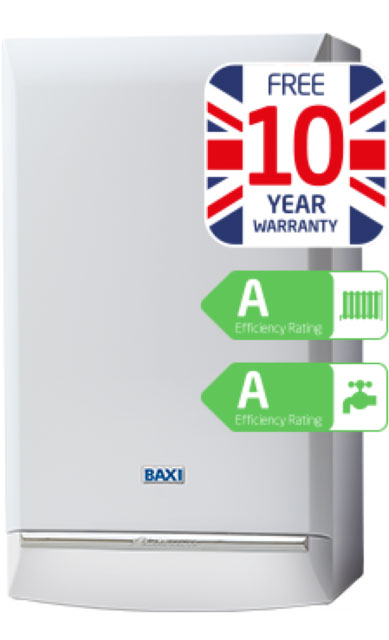 Fully Installed Baxi Boiler