

When most people think about booking a boiler service, they tend to think about one thing: avoiding a winter breakdown.
And yes, that matters. Nobody wants to discover their boiler has packed in on the coldest morning of the year. But boiler servicing is not just about keeping the heating on. It can also help uncover the quieter, stranger and more serious problems that often build up long before a boiler stops working altogether.
A proper boiler service is a bit like an MOT for your heating system. An annual boiler service checks that your boiler is working safely, efficiently and correctly, while helping spot issues before they become bigger problems.
Here are seven unexpected problems a boiler service can help prevent.
1. Carbon Monoxide Risks
Carbon monoxide is one of the biggest reasons boiler servicing should never be ignored. It is colourless, tasteless and odourless, which means you cannot rely on your senses to spot it.
The Health and Safety Executive says around seven people die every year from carbon monoxide poisoning caused by gas appliances and flues that have not been properly installed, maintained or ventilated.
A boiler can produce carbon monoxide when gas does not burn properly. This can happen because of poor combustion, a blocked flue, damaged seals, poor ventilation or internal faults. During a service, a Gas Safe registered engineer can check combustion, inspect the boiler condition, look at the flue and make sure the appliance is operating safely.
Warning signs can include yellow or orange flames, sooty marks around appliances, pilot lights that keep going out and increased condensation on windows. However, a boiler can still be unsafe without obvious signs, which is why annual servicing is so important.
2. Hidden Leaks Behind the Scenes
Not all leaks are dramatic. Some do not pour water through the ceiling or leave a puddle under the boiler. They start quietly.
A small weep from a valve, seal, pipe joint or pressure relief pipe can cause pressure drops, corrosion, damp patches and internal damage over time. Left unnoticed, it can also affect nearby flooring, cupboards, electrics or plasterwork.
The Association of British Insurers says escape of water damage is one of the most common types of domestic property damage claims, with insurers paying out £1.8 million every day for it.
This is also where frozen pipe problems come in. During colder months, pipework and condensate pipes can freeze, especially in exposed areas. ABI figures show home insurers settled roughly 12,000 weather-related burst pipe claims in 2023, with the average claim costing more than £17,000.
A boiler service will not magically insulate every pipe in your home, but it can highlight pressure issues, visible corrosion, dripping pipework, poor condensate drainage and parts of the system that may need attention before winter hits.
3. Electrical Faults Inside the Boiler
A modern boiler is not just a gas appliance. It also contains electrical parts, including wiring, controls, sensors, pumps, fans, printed circuit boards and ignition components.
A small electrical fault can cause intermittent shutdowns, unusual behaviour, blown fuses or, in rare cases, overheating. Moisture from a hidden leak can also affect internal electrical components.
Electrical Safety First reports that accidental electrical dwelling fires made up 53.4% of all accidental dwelling fires in England in its core data set, with faulty appliances and leads accounting for 25.9% of electrical fires. Your boiler is not the same as a toaster or a tumble dryer, but the principle is the same: electrical faults should not be ignored.
During a boiler service, the engineer checks the boiler’s controls, looks for signs of distress, tests key components and makes sure the system is operating correctly. It is not just about heat. It is also about safe operation.
4. Flue Blockages
Your boiler’s flue has a simple but vital job: it carries waste gases safely outside.
If the flue becomes blocked, damaged, is poorly fitted or restricted, those gases may not leave the property properly. That can increase the risk of unsafe combustion and carbon monoxide.
Gas Safe Register explains that unsafe gas appliances can produce carbon monoxide when vents, flues or chimneys become blocked, and says appliances should be checked once a year by a Gas Safe registered engineer.
Flues can be affected by debris, nesting material, leaves, poor installation, external damage, corrosion or building alterations around the terminal. In some homes, especially older properties or flats, shared or concealed flues can make this even more important.
A service gives the engineer the chance to inspect the flue route, check ventilation and make sure fumes are being removed safely.
5. Poor Combustion
Poor combustion sounds technical, but it simply means the boiler is not burning gas as cleanly or safely as it should.
That can happen when the gas-to-air ratio is wrong, the burner is dirty, the heat exchanger is affected, the gas pressure is incorrect or parts inside the boiler are worn. Poor combustion can reduce efficiency, create soot, strain components and increase carbon monoxide risk.
Gas Safe Register says a gas appliance safety check ensures the appliance is properly set and adjusted so the gas burns correctly. A service may also include analysis of combustion exhaust gases to ensure the appliance is burning gas safely.
For homeowners in Ripley, Belper and Alfreton, this is one of the most valuable but least visible benefits of boiler servicing. Your boiler might appear to work normally, but if it is burning poorly, it could be costing more to run and be operating less safely than it should.
6. Sludge in Radiators
Radiator sludge is not the most glamorous subject, but it is one of the most common heating system problems.
Sludge is usually made up of rust, dirt and magnetite from inside the heating system. It often collects at the bottom of radiators, which is why a radiator may feel hot at the top but cold at the bottom.
The Heating and Hot Water Industry Council says research suggests 80% of central heating system trouble is related directly or indirectly to sludge or debris in the system. It also explains that sludge can make a boiler work harder, increase cycling, add strain to components and reduce efficiency.
The Energy Saving Trust also notes that corrosion, scale and sludge can reduce the effectiveness of boilers and radiators, and that inhibitors and magnetic filters can help maintain system efficiency.
During a boiler service, an engineer may notice signs such as dirty system water, poor circulation, noisy operation, cold spots, pressure issues or blocked filters. Catching this early can help avoid more expensive repairs later.
7. Safety Shutdown Failures
Your boiler has built-in safety features designed to shut it down if something is wrong. These can include sensors and controls for overheating, pressure, flame detection, fan operation, water flow and flue performance.
The problem is that safety devices need to work when they are called upon. If a sensor is faulty, a control is sticking or a component is not responding properly, your boiler may fail to shut down when it should, or it may shut down repeatedly for no obvious reason.
Gas Safe Register says an engineer will check that all safety devices are functioning properly as part of a gas appliance safety check. That makes this one of the most important parts of servicing, even though it is something most homeowners never see.
A boiler service can help confirm that your boiler is not just heating your home, but also protecting itself and your household if something goes wrong.
Why Annual Boiler Servicing is Worth It
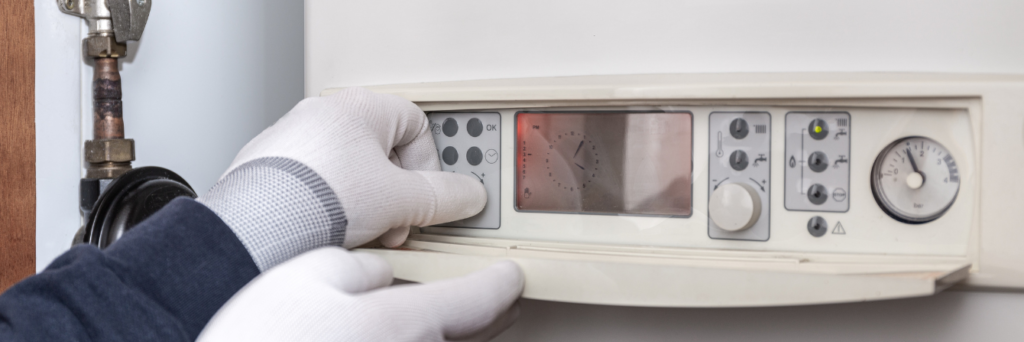
A boiler service is not just a quick look at the front panel. It is a safety, efficiency and reliability check for one of the hardest-working appliances in your home.
For homes across Ripley, Belper, Alfreton and the surrounding Derbyshire areas, regular boiler servicing can help prevent:
Carbon monoxide risks, hidden leaks, frozen pipe issues, electrical faults, flue problems, poor combustion, radiator sludge and failed safety controls.
It can also help keep manufacturer warranties valid, improve efficiency and give you peace of mind before the colder months arrive.
Book boiler servicing in Ripley, Belper and Alfreton
If your boiler has not been serviced in the last 12 months, it is worth getting it checked before small faults turn into costly problems.
Leeva Plumbing & Heating provides professional boiler servicing across Ripley, Belper, Alfreton and nearby areas of Derbyshire, helping homeowners keep their heating systems safe, efficient and ready for winter.
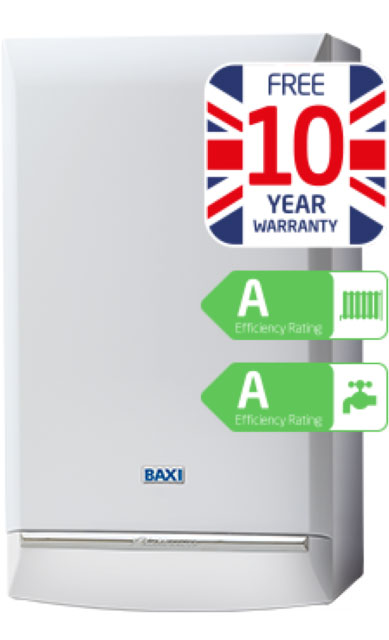 Fully Installed Baxi Boiler