

Plumbing is one of those everyday miracles you only notice when it misbehaves. One minute everything’s calm… the next you’ve got a tap that sounds like it’s playing drums, a sink that gurgles like a swamp creature, or a smell that makes you question every life choice that led you to the bathroom.
So, for a bit of fun (and a few genuinely useful “ohhh that’s why” moments), here are some weird and wonderful plumbing facts. No Roman baths, no Victorian sewer tales, and none of the usual history-of-plumbing greatest hits.
1) Toilets don’t “flush backwards” in the Southern Hemisphere (sorry, Hollywood)
You’ve probably heard the myth: “In Australia, toilets flush the other way round!”
In reality, the direction of the swirl is mostly down to the toilet’s design. Specifically, how the jets are angled to push water around the bowl. The Coriolis effect is real, but your toilet is far too small for it to decide the direction of your flush.
Why it matters: If your flush is weak or messy, it’s almost never “physics”. It’s usually a mechanical or flow issue that can be repaired.
2) The most expensive toilet system in the world costs $23 million
NASA’s modern space toilet system (designed for microgravity) has been reported at $23 million. It’s even been recognised by Guinness World Records as the most expensive toilet system.
And because gravity doesn’t help in space, these toilets rely heavily on airflow to direct waste where it needs to go.
Why it matters: On Earth we take gravity for granted. Your home plumbing is basically a carefully designed, gravity-powered slide. If pipe runs, falls, or venting are wrong, things get weird fast.
3) Airplane toilets “flush” using vacuum, not a big tank of water
That dramatic WHOOSH on a plane isn’t extra-powerful water pressure. It’s a vacuum system: pressing the button opens a valve and vacuum suction pulls everything into a holding tank, using very little water.
Why it matters: It’s a brilliant reminder that plumbing isn’t just pipes. It’s pressure, airflow, seals, and smart design working together.
4) The bend under your sink is a tiny superhero (and it’s meant to hold water)
That U-shaped bend under sinks, baths and showers isn’t there by accident. It holds a small amount of water that acts like a seal, blocking smells and gases from travelling back into your home.
A genuinely weird (and common) problem: if a drain isn’t used for a while, that water can evaporate, Then your house can suddenly smell… unfriendly. (Not a fun surprise when you walk into the bathroom half-asleep.)
5) “Banging pipes” is a real phenomenon with a brilliant name: water hammer
If you turn a tap off and your pipes bang like someone’s kicking the cupboard, that can be water hammer; a pressure shockwave created when moving water stops suddenly.
Why it matters: It’s not just annoying. Over time, pressure shocks can stress joints, valves, and fittings. If your pipework is regularly hammering, it’s worth getting it checked.
6) Sewer gas can trick your nose (and that’s why “it stopped smelling” isn’t always good news)
That classic “rotten egg” smell is often linked to hydrogen sulphide (H₂S), and here’s the unsettling part: you can’t rely on smell to detect it because exposure can deaden your sense of smell (olfactory fatigue).
Important safety note: “Sewer smell” and “gas leak” can be confused. If you suspect a gas leak, treat it seriously and call the National Gas Emergency Service on 0800 111 999.
7) Copper isn’t just “traditional”, it’s naturally hostile to microbes
Copper has been widely studied for its antimicrobial properties. Research shows bacteria can be rapidly killed on copper surfaces, which is part of why copper has remained such a respected material in pipework and fittings over the years.
Why it matters: Material choice isn’t only about strength and longevity. It can also influence hygiene and biofilm behaviour in certain environments.
8) Plumbers sometimes use “highlighter water” to trace leaks and flow paths
There are tracing dyes (including fluorescein) used to track where water is travelling; particularly helpful for investigating hidden leaks or working out which drain goes where. Fluorescein can show as a bright green colour in water and is commonly sold specifically for drain tracing.
Why it matters: If a leak is mysterious (stains, damp patches, unexplained smells), dye testing can be one of the quickest ways to stop guessing and start knowing.
9) Manhole covers are round for a reason (and it’s actually practical genius)
One of the best-known engineering “common sense” wins: round covers don’t need to be rotated to fit, and crucially, a properly sized round cover can’t fall through its own hole.
Why it matters: Plumbing and drainage is full of these quietly clever design choices. The best systems are often the simplest ones… done properly.
10) PTFE tape isn’t “sticky tape”. It’s more like a friction-fighting sealing helper
That little white roll (often called plumber’s tape or PTFE tape) isn’t adhesive. It’s a low-friction film wrapped around threaded fittings to help fill tiny gaps and make a better seal.
Why it matters: Threaded joints are one of the most common leak points in DIY plumbing. The right tape, wrapped the right way, makes a huge difference.
Need a local plumber? Here’s when to call Leeva Plumbing & Heating
If any of these sound familiar: banging pipes, mystery smells, recurring leaks, temperamental taps, getting it looked at early can save a lot of hassle (and often a lot of cost).
- Looking for a plumber in Ripley? We’re local and ready to help.
- Need a reliable plumber in Belper for repairs or upgrades? Give us a shout.
- Got an issue that needs a plumber in Alfreton? We’ve got you.
- If you want a trusted plumber in Derbyshire, Leeva Plumbing & Heating covers the area with friendly, professional support.
Call Leeva Plumbing & Heating to book a visit or get advice. Because plumbing is brilliant… right up until it isn’t.
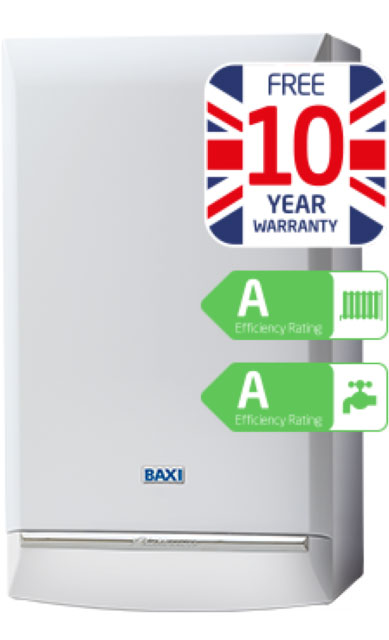 Fully Installed Baxi Boiler