

Most homeowners know they should arrange an annual boiler service. They understand it helps keep their heating running safely, improves efficiency, and may be required to maintain the manufacturer’s warranty.
But what actually happens when a heating engineer arrives to service your boiler?
For many people, it can seem like the engineer simply removes the front cover, spends half an hour inspecting a few components, and then leaves with a service certificate. In reality, a professional boiler service involves a detailed series of inspections, tests, measurements, and adjustments that most homeowners never see.
Let’s take a look behind the curtain and follow the hidden journey of a boiler service from start to finish.
The First Few Minutes: Initial Visual Checks
Before any tools come out, a qualified heating engineer begins by carrying out a visual inspection of the entire boiler installation.
This includes checking:
- The condition of the boiler casing
- Pipework connections
- Flue integrity
- Signs of leaks or corrosion
- Ventilation around the appliance
- Safety clearances
Even minor issues spotted during this stage can help prevent larger and more expensive problems later.
For example, a small water stain beneath a boiler might indicate a developing leak that could eventually damage internal components if left unchecked.
Removing the Cover: Accessing the Working Parts
Once the external inspection is complete, the engineer removes the boiler casing.
This is where the service becomes far more technical than many homeowners realise.
Modern boilers contain a surprising number of components working together to provide heating and hot water, including:
- Burners
- Heat exchangers
- Fans
- Expansion vessels
- Gas valves
- Ignition systems
- Sensors
- Condensate traps
- Electronic control boards
Each component is carefully inspected for signs of wear, damage, contamination, or deterioration.
Even a small build-up of dirt can affect performance and efficiency.
The Combustion Analysis Test
One of the most important parts of a modern boiler service is a combustion analysis test.
Most homeowners never see this process because it only takes a few minutes, but it provides valuable information about how efficiently and safely the boiler is operating.
The engineer inserts a specialised flue gas analyser into the test point on the flue.
This device measures:
- Carbon dioxide (CO₂)
- Oxygen (O₂)
- Carbon monoxide (CO)
- Flue gas temperature
- Combustion efficiency
The readings are then compared against the manufacturer’s specifications.
A boiler can appear to be working perfectly from the outside while combustion readings reveal hidden inefficiencies or potential safety concerns.
Checking the Gas Pressure
Another test homeowners rarely notice is the gas pressure check.
Your boiler relies on receiving the correct gas pressure to operate efficiently and safely.
Using specialist testing equipment, the engineer measures both:
- Standing pressure
- Working pressure
If the pressure is too high or too low, the boiler may consume more fuel than necessary or fail to operate correctly.
Identifying these issues early can improve efficiency and prevent future breakdowns.
Inspecting the Flue System
The flue plays a critical role in safely removing combustion gases from your home.
During the service, the engineer checks:
- Flue connections
- Seals
- Supports
- Terminal position
- Any signs of deterioration
Even a small defect within the flue system can potentially allow harmful gases to escape.
This is one reason why annual servicing is strongly recommended.
Cleaning Hidden Components
Many of the parts that affect boiler performance are completely hidden from view.
Depending on the type and age of the boiler, the engineer may clean:
- Condensate traps
- Burner assemblies
- Ignition electrodes
- Heat exchanger surfaces
Over time, deposits can build up inside these components.
Removing these deposits helps maintain efficiency and can reduce strain on the system.
Think of it like servicing a car. Even if the vehicle still drives, routine maintenance keeps everything operating at its best.
The Tiny Adjustments That Make a Big Difference
One of the most overlooked parts of boiler servicing involves making minor adjustments.
These are often invisible to homeowners but can have a significant impact on performance.
Examples include:
- Adjusting burner settings
- Fine-tuning gas-to-air ratios
- Resetting control parameters
- Repressurising the system
- Optimising operating temperatures
A small adjustment may improve fuel efficiency, reduce wear on components, or help the boiler maintain more consistent heating throughout the home.
These changes may only take a few minutes, but they can make a noticeable difference over the course of an entire heating season.
Testing Safety Devices
Modern boilers include multiple built-in safety systems designed to protect both the appliance and your household.
During a service, the engineer checks devices such as:
- Pressure relief valves
- Safety thermostats
- Flame detection systems
- Overheat protection controls
These components are rarely used during normal operation, but they must be ready to function correctly if required.
Testing them provides reassurance that the boiler can respond safely should a fault occur.
Digital Diagnostics and Modern Technology
Today’s boilers are much smarter than older models.
Many modern appliances contain sophisticated diagnostic systems that allow engineers to access fault histories and performance data.
Using manufacturer-specific diagnostic tools, engineers can often identify:
- Previous faults
- Intermittent issues
- Efficiency concerns
- Sensor errors
- Operating trends
This technology allows problems to be detected long before they develop into costly breakdowns.
It’s a bit like running a health check on the boiler’s internal computer.
Final Checks Before Completion
Before replacing the casing, the engineer performs a final series of checks to ensure everything is operating correctly.
These include:
- Checking for gas tightness
- Confirming safe combustion readings
- Testing heating operation
- Testing hot water performance
- Verifying system pressure
Only once these checks have been completed is the service considered finished.
Why Annual Boiler Servicing Matters
Many boiler problems don’t develop overnight.
They begin as small issues that often go unnoticed until they eventually cause a breakdown.
Annual servicing allows these issues to be identified and corrected early, helping to:
- Improve energy efficiency
- Extend boiler lifespan
- Reduce breakdown risk
- Maintain warranties
- Improve safety
- Lower long-term repair costs
Considering that a replacement boiler can cost thousands of pounds, a yearly service is often one of the most cost-effective investments a homeowner can make.
Professional Boiler Servicing in Ripley, Alfreton and Belper
At Leeva Plumbing & Heating, our experienced engineers provide thorough boiler servicing in Ripley, boiler servicing in Alfreton, and boiler servicing in Belper, helping homeowners keep their heating systems running safely, efficiently, and reliably throughout the year.
While much of the work carried out during a service happens behind the scenes, every inspection, test, measurement, and adjustment plays an important role in protecting your boiler and your home.
If your annual service is due, contact Leeva Plumbing & Heating today to arrange an appointment with one of our qualified heating engineers.
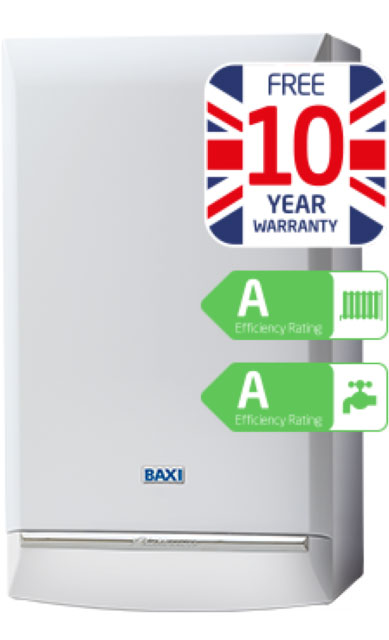 Fully Installed Baxi Boiler