
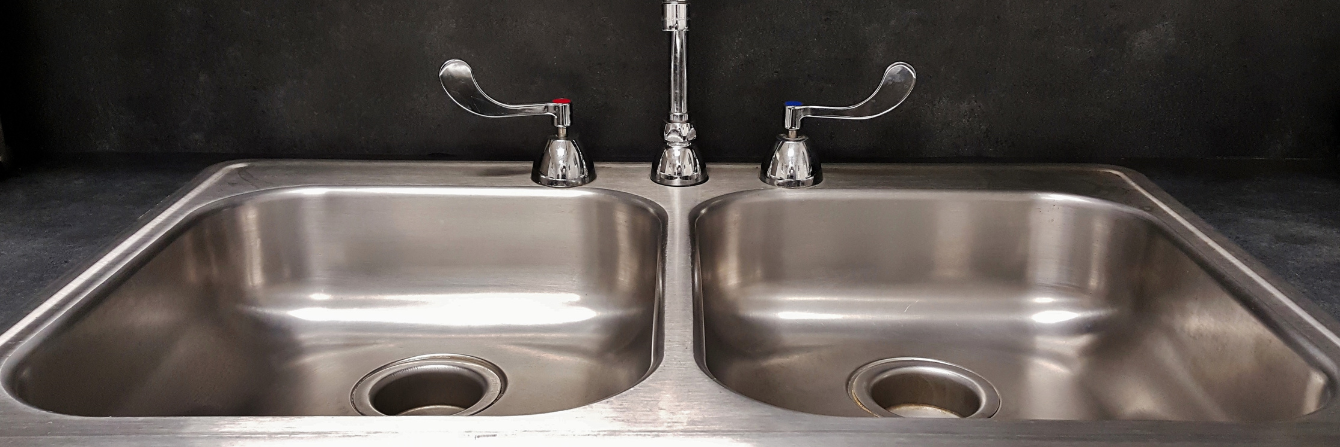
A plug hole can be surprisingly tempting. Something needs getting rid of, there’s a sink right there, and a quick blast of hot water seems capable of making almost anything disappear.
Unfortunately, “out of sight, out of mind” isn’t always the best approach when it comes to plumbing.
Some everyday substances can collect inside pipes, combine with other debris and eventually create stubborn blockages. Others can cause problems further along the drainage system or introduce substances into wastewater that really shouldn’t be there.
So, before you rinse it away, here are some of the things that should never, or almost never, go down your plug holes.
1. Cooking Fats, Oils and Grease
This is one of the biggest offenders.
Pouring warm cooking oil or leftover fat down the kitchen sink might seem harmless because it goes down as a liquid. The problem is what happens afterwards. As fats and oils cool, they can solidify or cling to the inside of pipes.
Over time, they can combine with other material and contribute to substantial blockages. On a much larger scale, fats, oils and grease are also associated with the infamous “fatbergs” found in sewer systems.
Water UK advises householders to put cooled fats, oils and grease in the bin rather than pouring them down the sink.
Even pouring boiling water or washing-up liquid down afterwards isn’t a reliable solution. It may move the grease further through your plumbing, but that doesn’t mean it has disappeared.
Better option: Allow fats and oils to cool, collect them in a suitable container and dispose of them with the appropriate household waste.
2. Coffee Grounds
Coffee grounds look small enough to cause no trouble whatsoever. Unfortunately, they’re surprisingly good at accumulating.
Unlike substances that dissolve in water, coffee grounds can remain as solid particles. Send enough of them down the kitchen sink and they can contribute to a sludgy build-up, particularly when combined with grease and food residue.
Your morning coffee is much better enjoyed in the cup than rediscovered by your plumber several weeks later.
Better option: Put used coffee grounds in your food waste or compost them where appropriate.
3. Paint
Finished decorating the bathroom? Don’t automatically rinse leftover paint down the sink.
Paint can contain chemicals and other substances that aren’t suitable for disposal through household drains, while thicker paints and residues can potentially create problems within pipework.
The correct disposal method depends on the type of paint and the facilities provided by your local authority, so check your council’s guidance before disposing of leftovers.
Better option: Keep leftover paint for future touch-ups, give usable paint away or take unwanted paint to an appropriate recycling or disposal facility.
4. Food Scraps
A few crumbs disappearing down the kitchen sink probably don’t feel like a plumbing emergency, but regularly washing food waste into your drains isn’t a good habit.
Rice, pasta, flour and other starchy foods are particularly worth watching. Some can absorb water, swell or turn into a sticky mixture that helps other debris collect.
Even if you have a relatively modern drainage system, your pipes aren’t an alternative food-waste bin.
Better option: Scrape plates thoroughly into your food waste or bin before washing them.
5. Wet Wipes – Even Near the Toilet
Technically, the toilet isn’t a plug hole, but this one deserves inclusion because it causes so many drainage problems.
Water UK promotes the simple “Bin the Wipe” message, advising people to dispose of wipes in the bin rather than flushing them.
Unlike toilet paper, many wipes don’t break apart quickly enough after flushing and can contribute to sewer blockages.
The safest rule is wonderfully simple: only pee, poo and toilet paper should go down the toilet.
That might not be the most glamorous piece of household advice we’ve ever given, but it’s certainly easy to remember.
6. Cotton Buds, Dental Floss and Bathroom Debris
While we’re in the bathroom, keep cotton buds, dental floss, cotton wool and similar items away from drains and toilets too.
These products don’t simply dissolve when they meet water. Instead, they can become caught within pipework or combine with hair, soap residue and other materials.
Dental floss can be particularly troublesome because its long, thin shape makes it capable of becoming tangled around other debris.
Better option: Keep a small bathroom bin nearby. It’s a simple change that can help protect your plumbing.
7. Hair
Anyone who has ever removed a mysterious creature from a shower drain will already understand this one.
Hair is one of the most common causes of slow-draining showers, baths and bathroom basins. Strands can become tangled together and collect soap residue, creating a gradually growing obstruction.
You obviously can’t prevent every hair from reaching the drain, but you can dramatically reduce the amount.
Better option: Use an inexpensive drain or plug-hole hair catcher and clean it regularly.
Your future self may not enjoy the cleaning part, but your pipes will appreciate it.
8. Medicines
Unused or unwanted medicines should never be poured down a sink or flushed down the toilet.
The NHS advises people to take unwanted medicines to a pharmacy, which can dispose of them safely. This is preferable to introducing pharmaceutical substances into the wastewater system.
Better option: Return unwanted or expired medicines to your local pharmacy.
9. Harsh Chemicals and Cleaning Products
This one is slightly more complicated because many household cleaning products are specifically designed to be used with water and drains.
However, you should never assume that any chemical can simply be poured down the sink.
Always follow the disposal and usage instructions on the product. Most importantly, never casually mix different cleaning chemicals. Certain combinations can produce dangerous fumes or reactions.
If you’re dealing with an unknown chemical or a significant quantity of a household product, check the manufacturer’s instructions or your local authority’s waste disposal guidance.
10. Plaster, Grout and Cement
Been doing a little DIY?
Whatever you do, don’t wash leftover plaster, grout, cement or similar building materials down the sink.
These materials are designed to harden. Your drainage pipes are an exceptionally inconvenient place for them to demonstrate how well they do it.
Even heavily diluted residue can settle within pipework, so buckets and tools containing these materials should be cleaned and disposed of according to the manufacturer’s guidance rather than simply rinsed into a household sink.
What About Chemical Drain Cleaners?
When a sink starts draining slowly, it’s tempting to reach immediately for a bottle of powerful drain cleaner.
However, a recurring blockage is often worth investigating rather than repeatedly treating the symptom. There may be a build-up of grease, hair or debris, or there could be another issue within the waste pipe or drainage system.
If you’re constantly reaching for drain cleaner, there’s probably a reason.
Signs Your Plug Hole Might Already Have a Problem
Blockages don’t always happen suddenly. Often, your plumbing gives you a little advance warning.
Look out for:
- Water taking longer than usual to drain
- Gurgling noises from sinks, baths or showers
- Unpleasant smells coming from plug holes
- Water backing up into another fixture
- A blockage that keeps returning after you’ve cleared it
- Water sitting around a shower drain rather than disappearing quickly
Catching a developing problem early can make it considerably easier to deal with.
Prevention Is Usually Easier Than Unblocking
Most blocked sinks and drains don’t begin with one dramatic event. They’re often the result of small amounts of unwanted material entering the pipes repeatedly over months or years.
A little cooking fat here, some coffee grounds there, a steadily growing collection of hair in the shower, and eventually the water stops disappearing quite as enthusiastically as it once did.
Using sink strainers, hair catchers and food-waste bins, and thinking twice before pouring something away, can help keep your household plumbing flowing properly.
And if the water has already stopped going where it’s supposed to, it might be time to call in the professionals.
At Leeva Plumbing & Heating, we help homeowners across the local area with everyday plumbing problems as well as larger heating, boiler and bathroom projects. If you’re searching for experienced plumbers in Derbyshire, get in touch with the Leeva team and we’ll be happy to help.
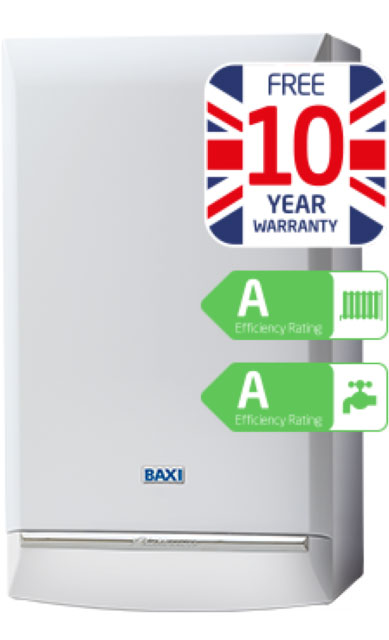 Fully Installed Baxi Boiler